
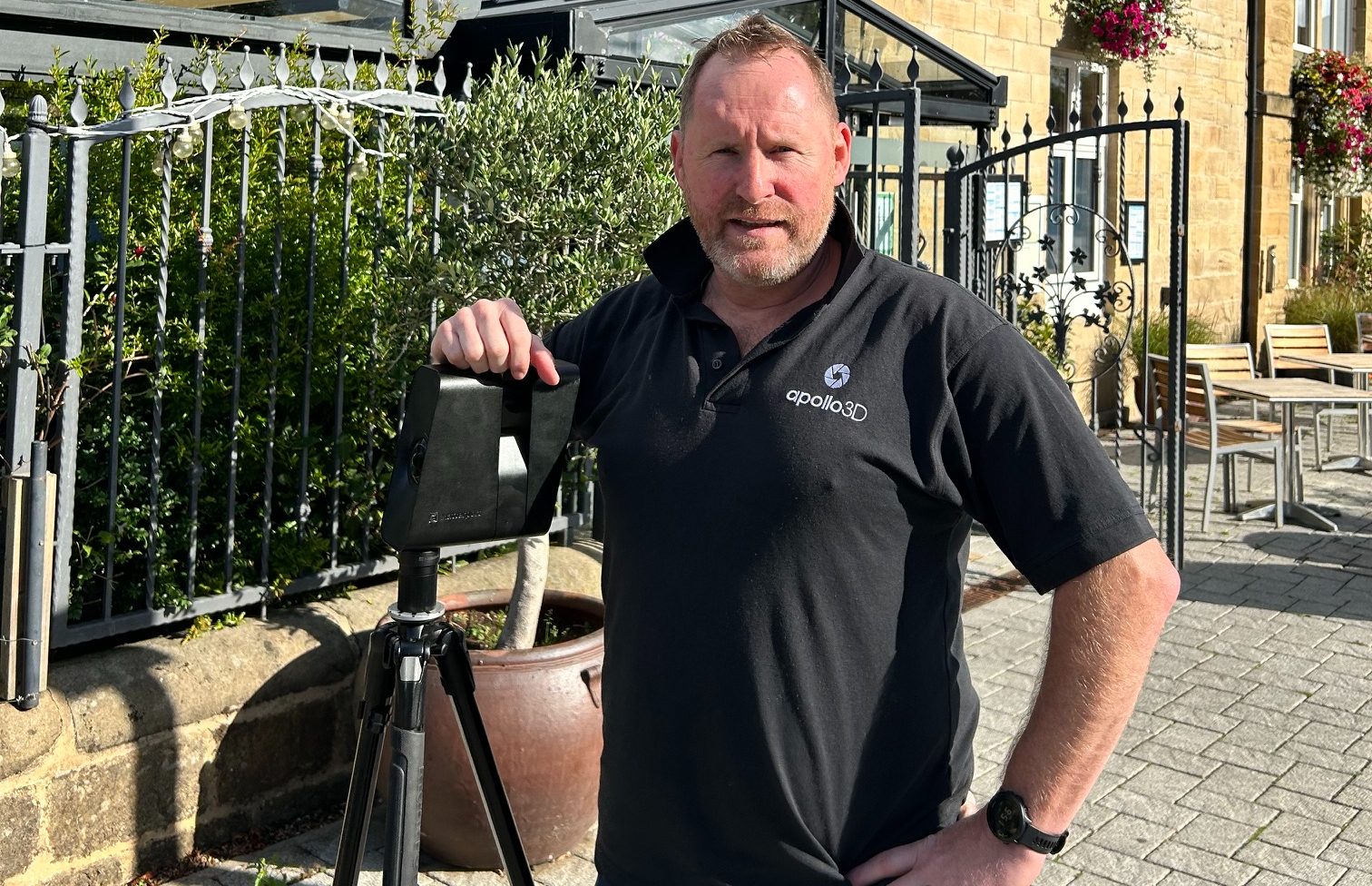
Apollo3D, a 3D virtual mapping specialist based in Otley, has built the first immersive digital twin of a B&M store, a model of the discount retailer’s Worthington Way store in Wigan that B&M says will guide how it plans refurbishments and new openings. The project was first announced on 2 October 2026.
B&M brought Apollo3D in during March 2026 to scan the 55,000 sq ft store, including its garden centre and non-customer areas, ahead of a seven-phase transformation that was completed in August 2026. The model, which the project team nicknamed “Wigan 2.0”, combined a full 3D digital twin with a drone flythrough of the site. B&M’s design team used it to test layout changes, signage and floor colours before any building work started.
Planning a rebuild without closing the store
The store stayed open throughout the seven phases, and B&M planned around the model rather than closing sections for measurement and assessment. The first phase of the physical rebuild was complete by June 2026, informed almost entirely by the virtual staging Apollo3D had produced earlier in the year.
Rob Dixon, who led the store design for B&M, said: “The Apollo 3D technology and full-store scan were absolutely invaluable in giving the team a detailed and comprehensive view of the entire customer journey. The level of insight and detail enabled us to identify opportunities and make more informed design decisions across the store, from wayfinding and brand communications through to flooring execution.”
Footage from the scan, including a side-by-side before-and-after walkthrough, was shown to management and staff at B&M’s annual conference, and colleagues used VR headsets to see the finished store, including new break rooms, aisles, self-checkouts, chilled food areas and the customer entrance. A version has also been adapted for customers to explore online before they visit.
A template for the estate
B&M, which trades from more than 790 stores in the UK and France, expects the Wigan project to shape how future refurbishments and openings are planned, with fewer repeat site visits and one shared reference point from design to construction. The retailer has also said the model will support decisions on range changes and seasonal displays.
Tjeerd Jegen, chief executive of B&M Group, said: “This is a genuinely groundbreaking way for us to plan our stores. Having a store mapped out in this much detail, before any physical work begins, means every layout and design decision is grounded in how a real customer actually moves through the space, not a floor plan on paper.”
Mark Shepherd, founder and managing director of Apollo3D, said: “We’ve worked with retailers, healthcare providers and facilities teams for years, and the businesses that get the most out of this valuable technology are the ones that keep coming back to the model, long after the initial scan. For B&M, that means using it for design, for training, for marketing and now, as a template for how they approach future stores.”
Apollo3D was founded in 2017 and is based at Wharfebank Mills in Otley. Its clients span retail, healthcare, hospitality and facilities management and include Primark, Marks & Spencer, Greene King, the NHS and OCS.
More from the region’s technology firms is in our tech section, and more company news is in companies.